Bone Mineral Densitometry (BMD)
- Home
- BMD

A Bone Mineral Density test measures the strength of your bones and helps detect low bone density. The most commonly used method is called Dual-Energy X-ray Absorptiometry (DXA).
During the exam, you will lie comfortably on a table for about 10-20 minutes while a specialized scanner takes images of your spine, hips, or both. The test is quick, painless, and uses a very low dose of radiation.
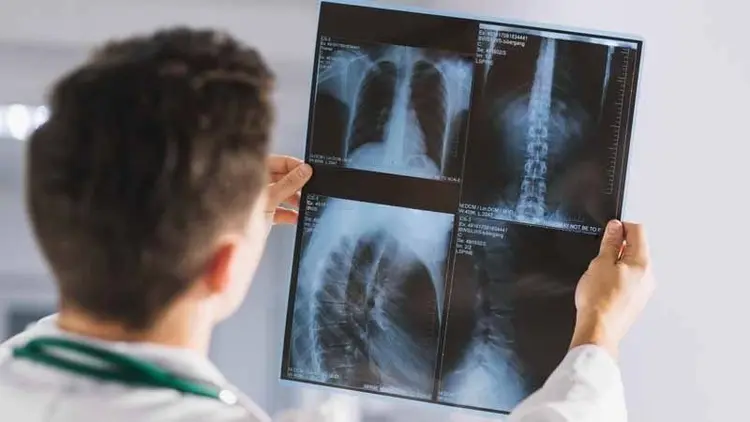
BMD testing supports bone health assessment and helps physicians identify patients who may have low bone density or elevated fracture risk.
You will lie comfortably on a table while a specialized DXA scanner captures images of your spine, hips, or both. The test usually takes about 10-20 minutes and reports are sent directly to your referring physician for follow-up.
For your comfort and to ensure accurate results, we recommend wearing loose-fitting clothing without zippers, buttons, or metal fasteners, such as a jogging suit or leggings.
On the day of your exam, please do not take calcium or iron supplements until after your appointment is completed.
Appointments are required. Please contact your preferred location to schedule your visit. We will do our best to accommodate your requested time, and for urgent (STAT) or emergency referrals, we make every effort to offer same-day appointments.
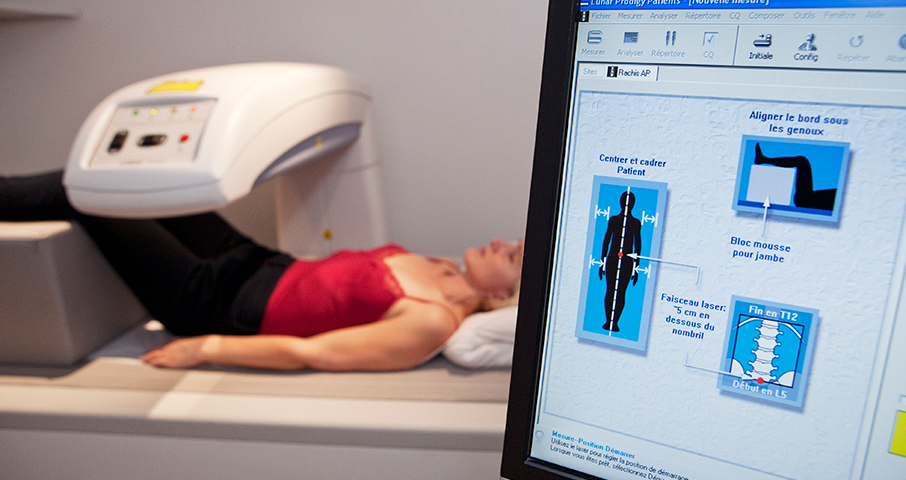
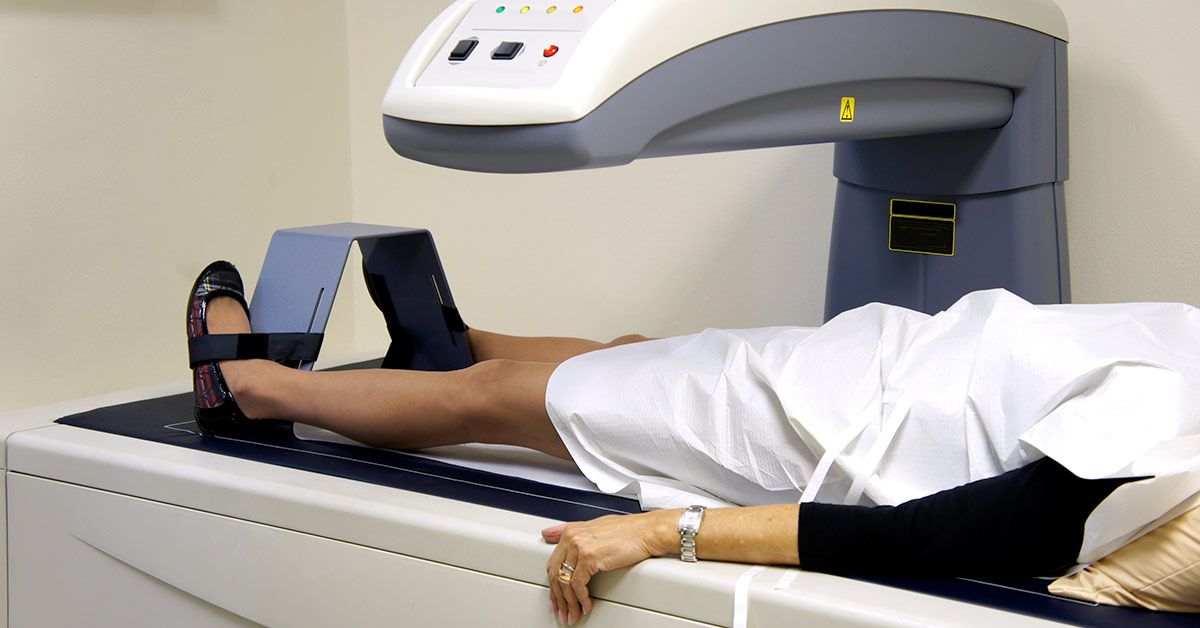
Find clear answers about BMD appointments, preparation and what to bring to your visit.
A Bone Mineral Density test measures the strength of your bones and helps detect low bone density. The most commonly used method is DXA.
The exam usually takes about 10-20 minutes while a specialized scanner takes images of your spine, hips, or both.
Wear loose-fitting clothing without zippers, buttons, or metal fasteners. Do not take calcium or iron supplements until after your appointment is completed.
Please bring your Requisition Form and valid Ontario Health Card. If you do not have a valid Ontario Health Card, payment by cash or cheque is required.