Nuclear Medicine
- Home
- Nuclear Medicine
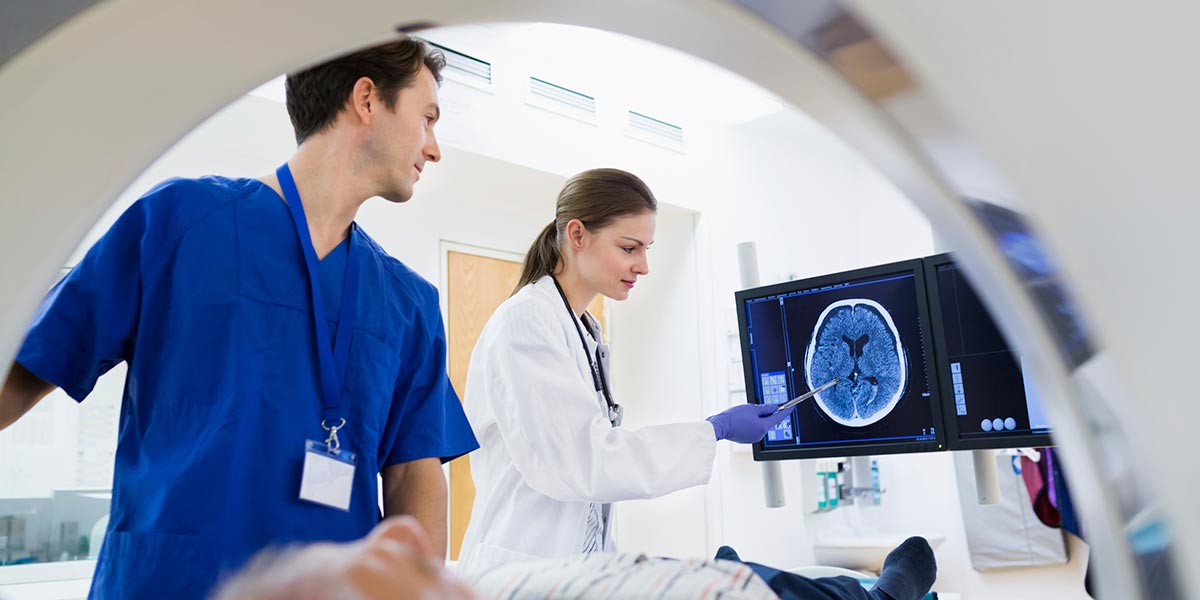
Nuclear Medicine is a type of medical imaging that helps assess how organs and tissues are functioning. A small amount of a safe radioactive tracer is introduced into the body, usually by injection. This tracer travels to the area being examined and allows special cameras to create detailed images.
During the exam, you will lie comfortably on a table while the camera takes pictures of the targeted area. The test is painless, and most studies take 30-60 minutes, depending on the type of exam.
Healthwise Diagnostics supports a range of functional imaging studies requested by referring physicians.
Nuclear medicine studies can help assess bile duct function, thyroid function, kidney drainage, heart blood flow, bone conditions, lung concerns, parathyroid activity, liver findings, salivary gland function and heart pumping function.
Biliary Scan: Do not eat or drink for at least 4 hours, preferably less than 8 hours, before your exam.
Thyroid Uptake & Scan: Thyroid medication may need to be stopped only if approved by your doctor. No IV contrast for 5 weeks before the test. Avoid seaweed and sushi for 5 weeks.
Renal Scan (ERPF): Drink 30 ounces of water before the exam. You may use the washroom before the study. If you have heart failure, speak with the supervising physician first.
Cardiac Perfusion Imaging (Sestamibi): Eat a light breakfast such as toast with jam. Avoid caffeine for 24 hours.
Bone Scan, Lung Scan, Parathyroid Scan, RBC Liver Scan, Salivary Gland Scan, Sulfur Colloid Liver Scan, and Rest MUGA Scan.
Find clear answers about nuclear medicine appointments, preparation and what to bring to your visit.
Nuclear medicine uses a small amount of a safe radioactive tracer to help special cameras create images showing how organs and tissues are functioning.
Most studies take 30-60 minutes, depending on the type of exam. Some studies may require different timing or return images.
No. Preparation depends on the exam. Some tests require fasting, avoiding caffeine, medication instructions, or drinking water before the study.
Please bring your Requisition Form and valid Ontario Health Card. If you do not have a valid Ontario Health Card, payment by cash or cheque is required.